
Sustainable fine dining might sound like a contradiction, especially when you think about luxury menus and the pressure to deliver perfection every night. Yet the numbers tell a different story. A full audit of ingredient origins and supply chains can reveal environmental impact points you might never have considered. Most restaurants focus on taste and presentation. What really sets top establishments apart is how they transform every decision about sourcing and preparation into a driver for environmental change.
Table of Contents
- Step 1: Evaluate Your Current Sourcing Practices
- Step 2: Design A Sustainable Menu
- Step 3: Implement Eco-Friendly Cooking Techniques
- Step 4: Optimize Waste Management Procedures
- Step 5: Train Staff On Sustainable Practices
- Step 6: Assess And Adapt Based On Feedback
Quick Summary
| Key Point | Explanation |
|---|---|
| 1. Evaluate your sourcing practices | Conduct an audit of ingredient sources to identify inefficiencies and sustainability credentials in your supply chain. |
| 2. Design a sustainable menu | Create a menu that prioritizes local, seasonal ingredients and emphasizes plant-based dishes for a reduced carbon footprint. |
| 3. Implement eco-friendly cooking techniques | Upgrade kitchen practices to include energy-efficient appliances and methods that maximize ingredient use and minimize waste. |
| 4. Optimize waste management procedures | Track and reduce food waste through effective auditing and employee training while exploring innovative reuse strategies. |
| 5. Train staff on sustainable practices | Create engaging training modules to ensure all staff understand and actively participate in sustainability efforts within the restaurant. |
Step 1: Evaluate Your Current Sourcing Practices
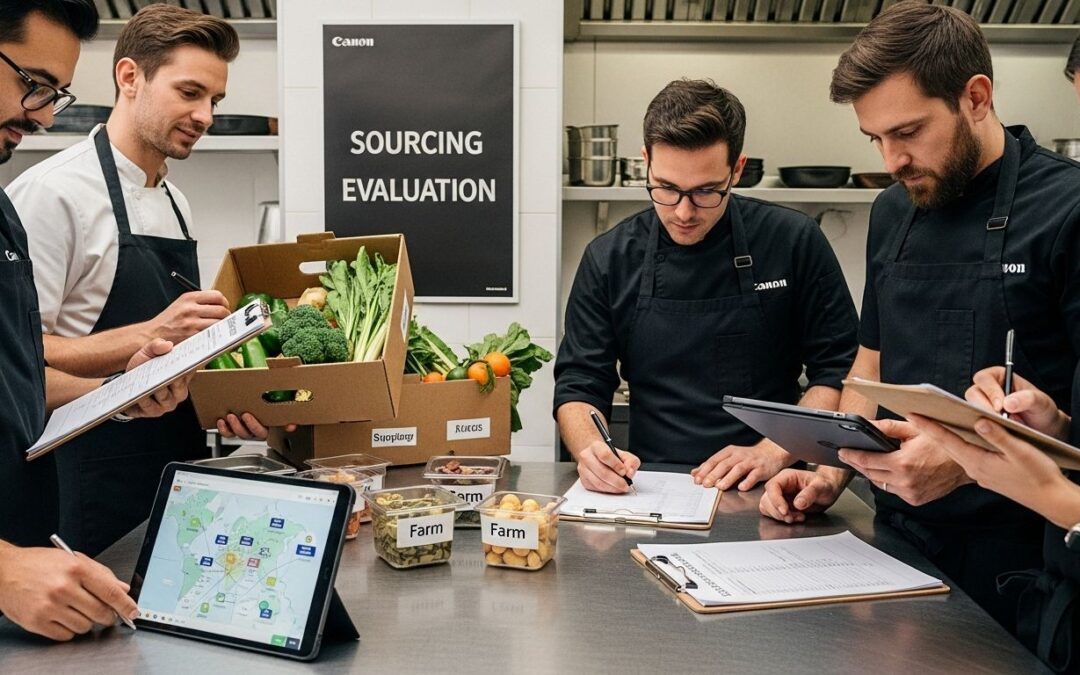
The foundation of any sustainable fine dining process begins with a comprehensive evaluation of your current ingredient sourcing practices. This critical first step requires a holistic examination of how you currently select, procure, and integrate ingredients into your culinary operations.
Start by conducting a thorough audit of your existing supply chain. Map out every ingredient source, tracking not just the supplier, but the entire journey from farm to kitchen. Document each product’s origin, transportation method, and current sustainability credentials. This process will reveal potential inefficiencies and environmental impact points within your current system.
According to Yale Hospitality, successful sustainable sourcing requires strategic partnerships with suppliers who demonstrate commitment to ethical and environmental standards. When evaluating suppliers, look beyond price and consider their agricultural practices, labor conditions, carbon footprint, and transparency.
Key evaluation criteria should include:
- Proximity of ingredient sources
- Seasonal availability of produce
- Farming and production methods
- Carbon emissions related to transportation
- Animal welfare standards
- Water and land use practices
Develop a comprehensive scoring system that quantifies each supplier’s sustainability performance. This might involve creating a detailed scorecard that assigns weighted points across environmental, social, and economic dimensions. By transforming your evaluation into a measurable process, you can systematically improve your sourcing strategy.
Successful completion of this step means having a clear, documented understanding of your current sourcing landscape. You should be able to articulate the environmental and ethical implications of each ingredient you use, identifying both strengths and opportunities for improvement in your sustainable fine dining process.
Below is a table summarizing key criteria to use when evaluating and scoring suppliers for sustainable sourcing in fine dining.
| Evaluation Criteria | Description |
|---|---|
| Proximity of Sources | How geographically close the supplier is to reduce transportation emissions |
| Seasonal Availability | Whether the supplier offers produce in season for reduced resource use |
| Farming and Production Methods | Use of organic, regenerative, or low-impact agricultural techniques |
| Carbon Emissions from Transportation | Estimated emissions based on transport mode and distance |
| Animal Welfare Standards | Adherence to humane and ethical treatment of livestock |
| Water and Land Use Practices | Efficient and responsible management of water and land resources |
Step 2: Design a Sustainable Menu
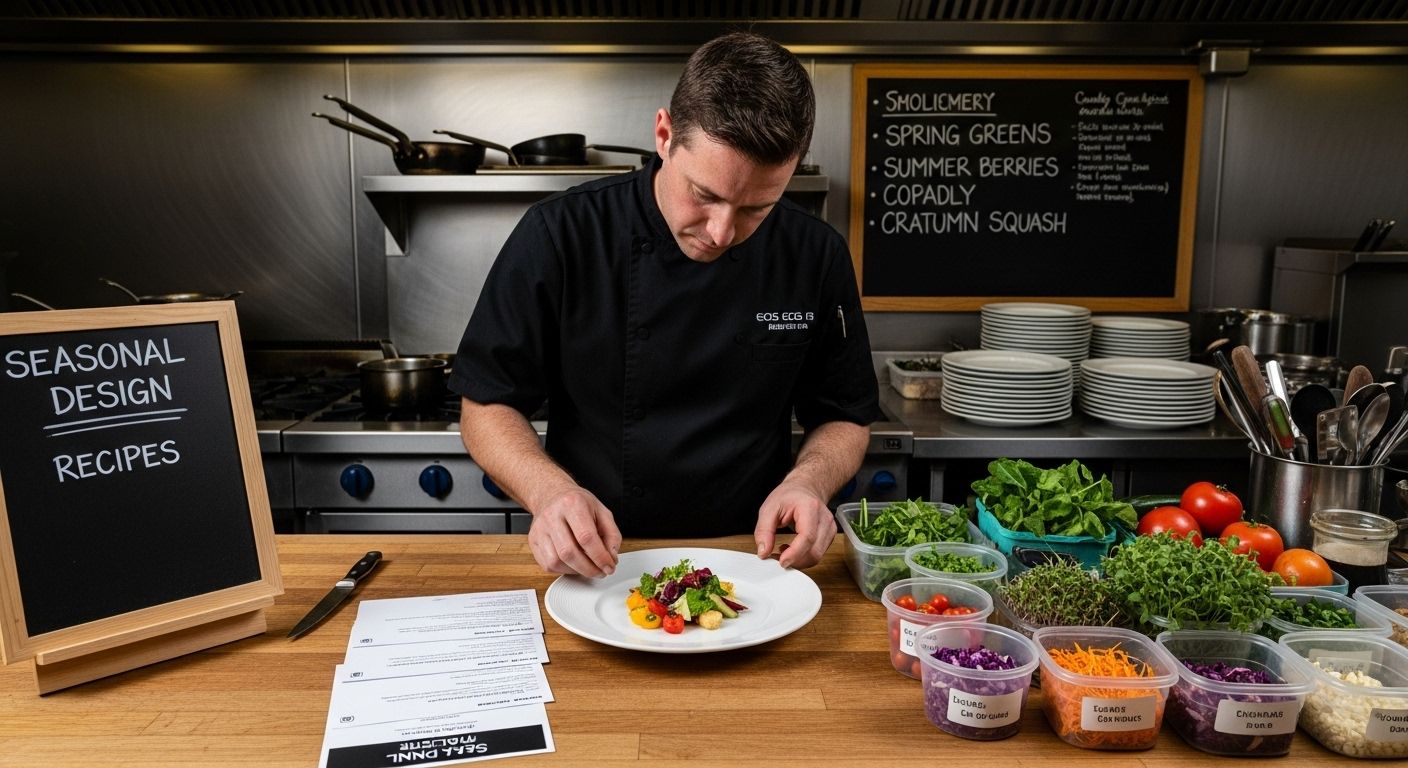
Designing a sustainable menu represents a transformative approach to fine dining that balances culinary excellence with environmental responsibility. This step moves beyond simple ingredient selection and challenges chefs to reimagine menu composition through a lens of ecological consciousness and gastronomic innovation.
Strategic menu design begins with understanding the environmental impact of each ingredient. Consider creating a menu that celebrates seasonal, local produce while minimizing carbon footprint. This means developing recipes that rotate based on regional availability, reducing transportation emissions and supporting local agricultural ecosystems.
According to Food + Planet, successful sustainable menus integrate plant-based dishes that are globally inspired and nutritionally sophisticated. Start by developing protein alternatives that are not only environmentally friendly but also deliver complex flavor profiles. Think beyond traditional vegetarian options and explore innovative preparations that highlight vegetables, legumes, and alternative protein sources.
Key considerations for sustainable menu design include:
- Seasonal ingredient rotation
- Minimal food waste preparation techniques
- Balanced nutrition across plant and protein sources
- Creative presentation that highlights sustainable ingredients
Implement a menu engineering approach that reduces ingredient complexity while maintaining culinary creativity. This means designing dishes with versatile ingredients that can be used across multiple recipes, thereby minimizing waste and simplifying procurement processes. Consider developing a core set of base preparations that can be easily modified to create diverse dining experiences.
Transparency becomes crucial in sustainable menu design. Provide clear information about ingredient sourcing, preparation methods, and environmental impact directly on your menu. This not only educates diners but also demonstrates your commitment to sustainable practices. By making your ecological approach visible, you transform menu design from a purely functional document into a powerful communication tool about environmental stewardship in fine dining.
Step 3: Implement Eco-Friendly Cooking Techniques
Implementing eco-friendly cooking techniques transforms your kitchen from a traditional culinary space into a sustainable gastronomic laboratory. This critical step requires a holistic reimagining of cooking processes, focusing on reducing energy consumption, minimizing waste, and maximizing ingredient potential.
Energy efficiency becomes the cornerstone of sustainable cooking. Start by reassessing your kitchen equipment and cooking methods. Invest in energy-efficient appliances that consume less electricity while maintaining high performance. Induction cooktops, for instance, offer precise temperature control and significantly lower energy consumption compared to traditional gas or electric stoves.
According to Sustainability Research, professional kitchens can dramatically reduce their carbon footprint by adopting strategic cooking techniques. Implement methods like batch cooking, which allows you to prepare multiple dishes simultaneously, reducing overall energy expenditure. Utilize residual heat from ovens and stovetops, turning off equipment slightly before cooking completion to leverage remaining thermal energy.
Key eco-friendly cooking strategies include:
- Utilizing zero waste cooking techniques
- Implementing precise portion control
- Maximizing ingredient utilization
- Practicing energy-efficient cooking methods
Water conservation represents another crucial aspect of sustainable cooking. Develop protocols that minimize water usage during food preparation. This might include using steam-based cooking techniques, collecting and reusing water for cleaning, and selecting cooking methods that require minimal liquid. Consider investing in water-efficient dishwashing equipment and implementing rigorous water management protocols in your kitchen.
Successful implementation of eco-friendly cooking techniques means creating a kitchen environment where sustainability is not an afterthought but an integral part of every culinary decision. Your cooking processes should demonstrate a commitment to reducing environmental impact while maintaining the highest standards of gastronomic excellence. By transforming your kitchen into a model of sustainable practice, you set a new standard for responsible fine dining.
Step 4: Optimize Waste Management Procedures
Optimizing waste management procedures transforms your fine dining establishment from a traditional kitchen into a model of sustainable resource utilization. This critical step requires a comprehensive approach that reimagines waste not as a byproduct, but as a valuable resource with potential for regeneration and reuse.
Develop a systematic waste tracking and reduction strategy that meticulously documents every stage of food preparation and service. Begin by conducting a detailed waste audit that quantifies the volume and type of waste generated across your entire culinary operation. This forensic approach allows you to identify precise opportunities for waste minimization and resource recovery.
According to Foodservice Sustainability Research, successful waste management requires comprehensive employee training and collaborative partnerships. Implement comprehensive training programs that educate staff about waste reduction techniques, proper sorting methods, and the environmental impact of food waste. Create clear, visual guidelines in preparation areas that demonstrate exactly how different types of waste should be handled and processed.
Key waste management optimization strategies include:
- Implementing precise portion control
- Developing comprehensive staff training programs
- Creating closed-loop recycling systems
- Establishing partnerships with local composting facilities
Innovative waste transformation becomes your ultimate goal. Explore creative solutions that convert potential waste into valuable resources. This might involve developing relationships with local farms for composting, creating secondary ingredient preparations from food scraps, or designing menu items that utilize typically discarded ingredients. Pickling vegetable ends, creating stocks from meat trimmings, and transforming stale bread into breadcrumbs represent practical examples of waste reduction strategies.
Successful waste management optimization means creating a kitchen culture where waste is viewed as an opportunity for innovation rather than an unavoidable consequence of food preparation. By implementing these comprehensive procedures, you demonstrate a commitment to sustainable fine dining that extends far beyond traditional culinary practices.
Step 5: Train Staff on Sustainable Practices
Training staff on sustainable practices represents the critical human element in transforming your fine dining establishment into an ecological leader. This step goes beyond traditional training, creating a cultural shift where every team member becomes an active participant in your sustainability mission.
Developing a comprehensive sustainability education program requires a multifaceted approach. Begin by creating engaging, interactive training modules that explain the deeper purpose behind sustainable practices. These sessions should not feel like mandatory lectures, but inspiring conversations that connect individual actions to broader environmental impacts. Help staff understand that their daily choices directly contribute to reducing carbon footprints and supporting ecological preservation.
Design training programs that are both theoretical and practical. Break down complex sustainability concepts into actionable skills that staff can immediately implement in their daily work. This might include workshops on precise ingredient measurement, energy-efficient cooking techniques, waste reduction strategies, and understanding the environmental impact of different food sourcing methods.
Key training focus areas include:
- Sustainable ingredient handling techniques
- Energy and water conservation protocols
- Waste reduction and recycling procedures
- Understanding carbon footprint implications
Incentivize and recognize sustainable performance to maintain staff engagement. Develop a recognition system that rewards team members who demonstrate exceptional commitment to sustainable practices. This could involve monthly awards, performance bonuses, or career advancement opportunities tied to ecological consciousness. By making sustainability a core part of professional development, you transform environmental responsibility from a corporate mandate into a personal passion.
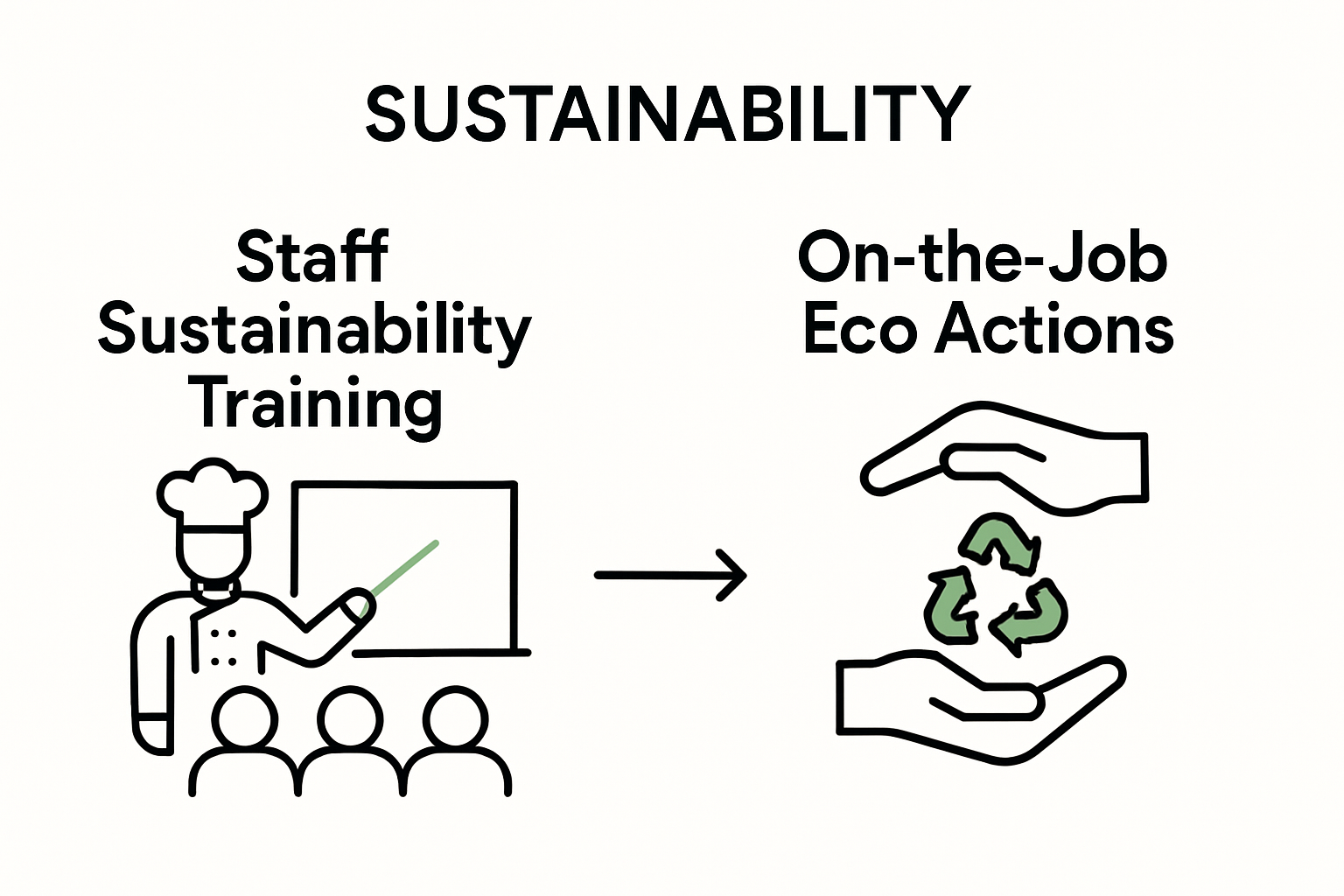
Successful staff training means creating a team of sustainability ambassadors who understand that their role extends far beyond traditional culinary duties. They become storytellers who can articulate your restaurant’s ecological commitment to guests, transforming dining experiences into educational opportunities about responsible gastronomy.
This table outlines main areas of staff sustainability training, including topics and practical examples for fine dining teams.
| Training Focus Area | Practical Example |
|---|---|
| Sustainable Ingredient Handling | Measuring exact quantities to reduce overuse |
| Energy Conservation Protocols | Turning off equipment when not in use |
| Water Conservation Techniques | Using minimal water methods for cleaning and prep |
| Waste Reduction & Recycling | Sorting kitchen waste into compost, recycling, landfill |
| Understanding Carbon Footprint | Explaining supplier selection impact on emissions |
| Guest Communication | Describing sustainable practices to diners |
Step 6: Assess and Adapt Based on Feedback
Assessing and adapting based on feedback represents the dynamic heart of a sustainable fine dining process. This critical step transforms your ecological approach from a static strategy into a living, responsive system that continuously evolves through intentional reflection and refinement.
Develop a comprehensive feedback collection mechanism that captures insights from multiple stakeholders. This means creating sophisticated yet accessible channels for gathering perspectives from staff, guests, suppliers, and environmental experts. Implement digital and physical feedback systems that make sharing observations easy and engaging. Consider using tablet-based surveys, dedicated email addresses, and periodic focus group discussions that provide nuanced, qualitative information about your sustainability initiatives.
Implement a structured evaluation framework that quantifies both qualitative and quantitative feedback. This involves creating detailed scorecards that track key sustainability metrics such as waste reduction percentages, energy consumption, ingredient sourcing efficiency, and guest satisfaction related to ecological practices. By converting feedback into measurable data points, you transform subjective observations into actionable strategic intelligence.
Key assessment strategies include:
- Quarterly sustainability performance reviews
- Anonymous staff and guest feedback channels
- Comparative analysis against industry ecological standards
- Transparent reporting of sustainability progress
Cultivate a culture of continuous improvement where feedback is not just collected but genuinely integrated into your operational strategy. This means creating an organizational mindset that views critique as an opportunity for innovation rather than a challenge to existing practices. Regularly schedule interdepartmental meetings where team members can discuss feedback insights, brainstorm improvement strategies, and celebrate ecological achievements.
Successful assessment and adaptation means establishing a dynamic, responsive sustainable fine dining process that remains flexible and forward-thinking. Your establishment becomes a living ecosystem of continuous learning, where every piece of feedback represents a potential pathway to greater environmental stewardship and culinary excellence.
Elevate Your Path to Sustainable Fine Dining Excellence
Are you ready to turn your sustainability strategy into real recognition? The journey to master eco-friendly sourcing, menu design, and waste reduction is demanding. Achieving true excellence in sustainable fine dining is about more than processes. It centers on the dedication and innovation of your entire team. If you strive to meet and exceed the highest standards for ethical gastronomy, you deserve your story to be celebrated at an international level. Learn from world-leading establishments in destinations like Switzerland | HIGH END taste & place, where sustainable practices and culinary creativity shine.

Gain the recognition your sustainable vision deserves. Visit HIGH END taste & place to discover how we award the finest, most responsible restaurants in the world. Start your journey to becoming a trusted benchmark for exceptional, sustainable dining. Apply now and position your restaurant among the elite. The future of dining excellence starts today.
Frequently Asked Questions
What are the key steps to developing a sustainable fine dining process?
Establishing a sustainable fine dining process involves evaluating current sourcing practices, designing a sustainable menu, implementing eco-friendly cooking techniques, optimizing waste management procedures, training staff on sustainable practices, and assessing and adapting based on feedback.
How can restaurants minimize their carbon footprint when sourcing ingredients?
Restaurants can minimize their carbon footprint by sourcing seasonal and local ingredients, evaluating suppliers based on their farming practices and transportation methods, and prioritizing those with proven sustainability and ethical credentials.
What are some eco-friendly cooking techniques to adopt in a restaurant?
Eco-friendly cooking techniques include using energy-efficient appliances, practicing batch cooking to reduce energy usage, employing zero waste cooking methods, and utilizing steam cooking to conserve water during food preparation.
How can restaurants effectively implement and monitor staff training on sustainable practices?
To effectively implement staff training, restaurants should create engaging training modules that combine theoretical knowledge with practical skills. Regular assessments, incentives for excellent performance, and open communication about sustainability goals will keep staff engaged and informed.