
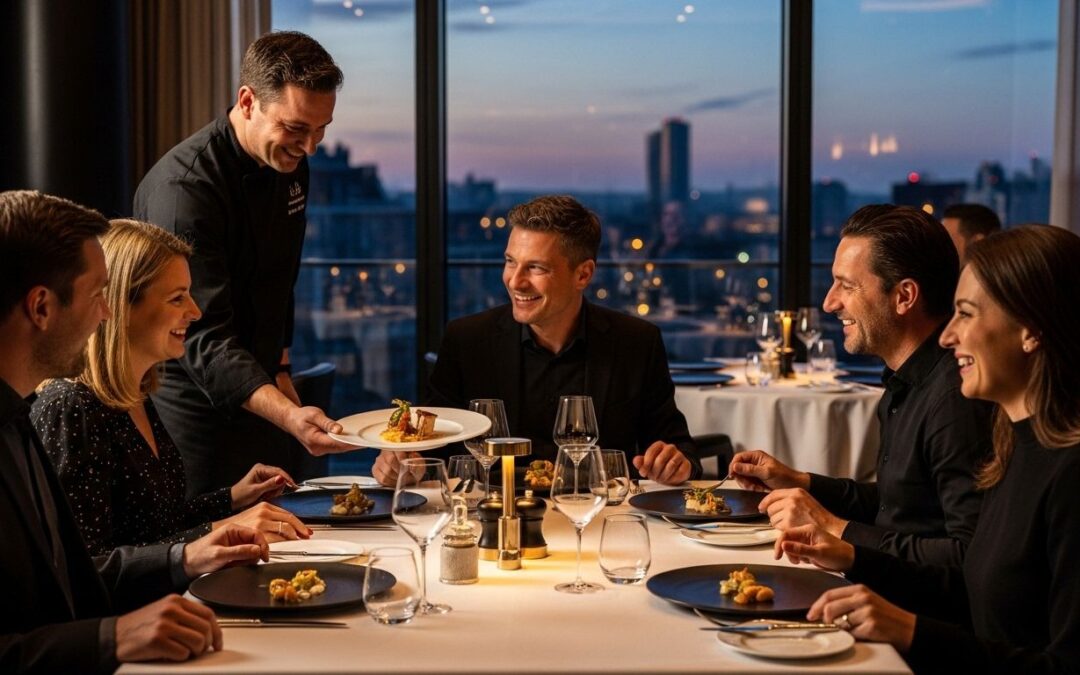
Michelin-starred restaurants have an almost mythical reputation for serving the most unforgettable meals on the planet. But here is the real surprise. Tokyo holds the world record with over 200 Michelin-starred restaurants, far outpacing Paris or New York. This isn’t just about fancy food or celebrity chefs. The true magic lies in how these places push boundaries to transform dining into a once-in-a-lifetime adventure.
Table of Contents
- Exploring Michelin-Starred Restaurants
- Unique Tasting Menus Around The Globe
- Iconic Culinary Destinations To Visit
- Luxurious Hotel Restaurants To Experience
- Ethnic Fine Dining That Elevates Tradition
- Innovative Pop-Up Dining Experiences
- Mastering The Art Of Reservation Etiquette
Quick Summary
| Takeaway | Explanation |
|---|---|
| Michelin stars reflect culinary excellence | Earning a Michelin star signifies exceptional dining experiences and culinary mastery, evaluated on precise criteria. |
| Tasting menus tell a culinary story | These multi-course meals engage diners through flavors and sensory experiences, fostering emotional connections with the cuisine. |
| Culinary tourism enhances cultural understanding | Traveling for food allows individuals to explore regional heritage and traditions, deepening their appreciation of diverse culinary practices. |
| Hotel restaurants offer immersive dining | Luxurious hotel dining integrates exceptional service and innovative cuisine, crafting memorable experiences within stunning environments. |
| Master reservation etiquette for fine dining | Understanding proper reservation protocols reflects respect for culinary culture and enhances the overall dining experience. |
1: Exploring Michelin-Starred Restaurants
Michelin-starred restaurants represent the pinnacle of global culinary excellence, where dining transcends mere sustenance and transforms into an extraordinary gastronomic experience. These prestigious establishments are meticulously evaluated by expert inspectors who assess every nuanced element of the dining journey.
The Michelin Guide, originating in France, has become the most respected and rigorous restaurant rating system worldwide. Restaurants can receive one, two, or three stars, with each additional star signifying increasingly remarkable culinary achievements. According to research published in the Journal of Travel Research, these restaurants often represent far more than just exceptional food.
Key characteristics of Michelin-starred dining include:
- Unparalleled culinary craftsmanship with innovative techniques
- Meticulous ingredient selection featuring premium, often locally sourced components
- Immaculate presentation that transforms each dish into an artistic statement
Chefs in these remarkable establishments are typically considered culinary artists who push boundaries and redefine gastronomic possibilities. They invest extraordinary time in perfecting techniques, understanding flavor interactions, and creating sensory experiences that engage diners on multiple levels.
The global landscape of Michelin-starred restaurants reflects remarkable diversity. From Tokyo’s minimalist kaiseki restaurants to Paris’s classic haute cuisine establishments, each destination offers a unique interpretation of culinary excellence. Learn more about world-class dining experiences.
While earning a Michelin star represents extraordinary achievement, maintaining that standard requires continuous innovation, precision, and passion. Chefs must consistently deliver extraordinary experiences that surprise and delight even the most discerning palates.
2: Unique Tasting Menus Around the Globe
Tasting menus represent the ultimate expression of culinary artistry, where chefs transform dining into an immersive narrative experience. These carefully choreographed journeys through multiple courses reveal not just technical skill, but profound storytelling through food.
According to scientific research examining culinary psychology, exceptional tasting menus engage diners through multisensory experiences that transcend traditional meal structures. Chefs meticulously design each course to create emotional and intellectual connections.
Key characteristics of extraordinary tasting menus include:
- Progressive flavor progression that builds narrative complexity
- Seasonal ingredient storytelling highlighting regional culinary traditions
- Unexpected textural and temperature contrasts
Global tasting menu traditions demonstrate remarkable diversity. In Japan, kaiseki menus represent centuries-old culinary rituals emphasizing seasonal ingredients and artistic presentation. Nordic restaurants like Noma have pioneered “New Nordic Cuisine,” featuring hyper-local ingredients prepared with scientific precision.
Premium tasting experiences often incorporate theatrical elements beyond food. Chefs might introduce interactive presentations, where servers explain complex ingredient origins or preparation techniques. Some restaurants even synchronize music, lighting, and tableware to enhance the sensory journey.
Discover exceptional culinary experiences that transform dining from a meal into a profound artistic performance. These meticulously crafted tasting menus represent the pinnacle of global gastronomic innovation, inviting diners to explore culinary narratives that challenge traditional understanding of food.
3: Iconic Culinary Destinations to Visit
Culinary tourism represents a profound journey of cultural exploration, where travelers seek extraordinary gastronomic experiences that transcend traditional dining. These destinations offer more than meals they provide immersive narratives of regional heritage, culinary traditions, and innovative cooking techniques.
According to research in the Journal of Hospitality & Tourism Research, memorable culinary experiences are deeply rooted in authenticity, educational opportunities, and hands-on engagement with local food cultures.
Global culinary destinations that consistently captivate food enthusiasts include:
- Tokyo, Japan: Renowned for precision, innovation, and diverse culinary traditions
- Paris, France: Epitome of classic haute cuisine and sophisticated gastronomic techniques
- Lima, Peru: Emerging global destination celebrating complex indigenous ingredients
Exceptional culinary destinations are characterized by more than exceptional restaurants. They offer intricate food ecosystems that include local markets, street food cultures, unique ingredient sourcing, and deeply embedded cooking traditions.
Regional specialties often reflect complex historical narratives. In Peru, indigenous Andean ingredients merge with Spanish colonial influences. Japanese cuisine demonstrates remarkable respect for seasonal changes and ingredient purity. French culinary traditions showcase meticulous techniques developed over centuries.
Explore curated culinary destinations that represent the pinnacle of global gastronomic excellence. These locations offer travelers transformative experiences that go beyond simple consumption, inviting deep cultural understanding through the universal language of food.
4: Luxurious Hotel Restaurants to Experience
Luxurious hotel restaurants represent the pinnacle of culinary sophistication, where exceptional dining experiences are seamlessly integrated with world-class hospitality. These establishments transcend traditional restaurant concepts, offering immersive gastronomic journeys that reflect both local cultural nuances and international culinary excellence.
Top-tier hotel restaurants distinguish themselves through unparalleled service, extraordinary architectural design, and innovative culinary approaches that transform dining into a multisensory experience. These venues attract globally renowned chefs who create unique dining narratives within stunning architectural settings.
Key characteristics of exceptional hotel restaurants include:
- Stunning architectural environments that complement culinary experiences
- Personalized service delivering extraordinary attention to guest details
- Locally sourced ingredients integrated with global culinary techniques
International hotel restaurants like those in Aman Resorts, Four Seasons, and Mandarin Oriental have redefined luxury dining. These establishments curate experiences that go beyond mere meals, creating immersive environments where cuisine becomes a form of cultural storytelling.
In Japan, hotel restaurants often showcase kaiseki traditions, presenting multi-course meals that represent seasonal transitions. European hotel restaurants frequently emphasize classic techniques with modern interpretations, creating dining experiences that blend historical culinary traditions with contemporary innovation.
Explore world-class dining destinations where hospitality and gastronomy converge. These extraordinary venues demonstrate that luxurious hotel restaurants are not just about food, but about creating unforgettable memories through exceptional culinary artistry.
5: Ethnic Fine Dining That Elevates Tradition
Ethnic fine dining represents a sophisticated culinary approach that transforms traditional recipes into extraordinary gastronomic experiences. These restaurants do more than serve food they create profound cultural narratives that honor heritage while embracing contemporary innovation.
According to research exploring multicultural culinary traditions, ethnic fine dining serves as a powerful medium for preserving cultural identity and connecting generations through shared culinary experiences.
Key characteristics of exceptional ethnic fine dining include:
- Meticulous ingredient sourcing highlighting regional authenticity
- Innovative reinterpretation of traditional cooking techniques
- Storytelling through plating that communicates cultural heritage
Contemporary chefs are reimagining traditional cuisines by applying modern techniques while maintaining deep respect for ancestral recipes. In Mexico, restaurants like Pujol transform indigenous ingredients into avant-garde culinary experiences. Japanese establishments such as Narisawa seamlessly blend ancient cooking philosophies with cutting-edge gastronomy.
These restaurants go beyond mere meal preparation. They serve as cultural ambassadors, educating diners about complex culinary histories, ingredient origins, and the profound social significance of traditional recipes. Each dish becomes a nuanced conversation about cultural evolution, migration, and adaptation.
Discover extraordinary culinary journeys where tradition meets innovation. Ethnic fine dining represents more than food it is a celebration of cultural resilience, creativity, and the universal language of culinary expression.
6: Innovative Pop-Up Dining Experiences
Pop-up dining experiences represent a revolutionary approach to gastronomy, transforming traditional restaurant models into dynamic, ephemeral culinary performances. These temporary dining concepts challenge conventional restaurant structures by creating immersive, unrepeatable gastronomic moments that captivate adventurous food enthusiasts.
According to research in the Journal of Hospitality and Tourism Technology, pop-up dining experiences are reshaping the hospitality industry by introducing unprecedented levels of creativity and spontaneity.
Key characteristics of exceptional pop-up dining include:
- Unique location selection that transforms unexpected spaces
- Limited time availability creating extraordinary scarcity
- Experimental culinary techniques pushing traditional boundaries
Global chefs are increasingly using pop-up experiences to explore culinary narratives without permanent restaurant commitments. These events might occur in abandoned warehouses, rooftop gardens, remote natural landscapes, or even private residences, turning dining into an immersive theatrical experience.
Some pop-up dining concepts involve collaboration between international chefs, creating cross-cultural culinary dialogues. A chef from Japan might collaborate with a South American counterpart, producing a menu that tells a complex story of global gastronomic exchange.
Explore groundbreaking culinary innovations that challenge traditional dining paradigms. Pop-up dining represents more than a meal it is a performance, an art form that celebrates culinary creativity, spontaneity, and the transformative power of gastronomic experience.
7: Mastering the Art of Reservation Etiquette
Reservation etiquette represents a sophisticated dance of communication and respect between diners and high-end culinary establishments. This nuanced interaction goes far beyond simply securing a table, embodying a complex protocol that reflects both personal consideration and professional excellence.
According to research in the Journal of Hospitality and Tourism Insights, consumer behavior around luxury dining reservations involves intricate emotional and psychological considerations that dramatically impact dining experiences.
Key principles of exceptional reservation etiquette include:
- Advance planning for sought-after restaurants
- Clear communication regarding party size and special requirements
- Timely confirmation and potential cancellation with appropriate notice
Premium restaurants often implement sophisticated reservation systems that require strategic engagement. Many world-renowned establishments utilize specialized platforms or direct booking channels that demand precise attention to detail. Some require credit card guarantees, while others might have strict cancellation policies designed to manage limited seating.
International fine dining venues have developed unique reservation protocols. In Japan, reservations might require personal introductions or existing relationships. European Michelin-starred restaurants frequently mandate full prepayment or require extensive advance notice, reflecting the meticulous nature of their culinary experiences.
Discover insider reservation strategies that transform dining from a simple meal into an extraordinary cultural experience. Mastering reservation etiquette is not just about securing a table it is about demonstrating respect, understanding culinary culture, and participating in a global gastronomic conversation.
Below is a comprehensive table summarizing the main topics, key points, and unique features of high-end dining experiences discussed throughout the article.
| Key Aspect | Description | Global Highlights/Examples |
|---|---|---|
| Michelin-Starred Restaurants | Pinnacle of culinary excellence, judged on techniques, ingredients, and innovation | Tokyo, Paris, New York |
| Unique Tasting Menus | Multi-course meals as immersive narratives, using progressive flavors and multisensory engagement | Kaiseki in Japan, New Nordic Cuisine |
| Iconic Culinary Destinations | Destinations blending culinary heritage, authenticity, and diverse cooking traditions | Tokyo (innovation), Paris (classic), Lima (indigenous) |
| Luxurious Hotel Restaurants | Exceptional service, innovative cuisine, and stunning environments in leading hotels | Aman Resorts, Four Seasons, Mandarin Oriental |
| Ethnic Fine Dining | Modern interpretations of traditional cuisines, cultural storytelling through food | Pujol (Mexico), Narisawa (Japan) |
| Innovative Pop-Up Dining | Temporary, creative dining experiences in unique spaces, often featuring cross-cultural cuisine | Abandoned warehouses, rooftop gardens, chef collaborations |
| Reservation Etiquette | Advance planning, clear communication, and respect for strict protocols in prestigious venues | Advance booking, confirmations, unique global practices |
Take Your Culinary Ambitions Higher With Trusted, Award-Winning Guidance
When discovering the world’s most prestigious dining experiences, the challenge is clear. How do you separate true excellence from empty hype? You want restaurants where technique, creativity, service, and local culture all come together in a way that is genuine, not just glamorous. In the article above, we explored how Michelin stars, tasting menus, and unique culinary destinations define true high-end dining. Yet finding authentic, credible recommendations is a challenge for anyone who loves real gastronomic artistry.
If you are passionate about uncovering exceptional places that set new standards for culinary innovation, explore what the experts have selected for Switzerland’s top restaurants or the finest in the United Kingdom. These venues have earned the exclusive HIGH END taste & place award, based on the personal experiences of trusted gastronomy experts. This means every recommended restaurant is held to uncompromising standards, far beyond the usual industry ratings.
Ready to take your own high-end dining journey to the next level? Discover our full list of award-winning establishments and transparent review criteria at HIGH END taste & place. The next unforgettable meal is just one click away—start planning your culinary adventure now.
Frequently Asked Questions
What defines a Michelin-starred restaurant?
Michelin-starred restaurants are recognized for their exceptional culinary excellence, innovative techniques, and meticulous ingredient selection, evaluated by expert Michelin inspectors.
How can I experience a unique tasting menu?
To experience a unique tasting menu, look for restaurants that focus on seasonal ingredients and offer multi-course culinary narratives that engage your senses and tell a story through food.
What should I expect from fine dining reservation etiquette?
In fine dining, it is essential to plan ahead, communicate clearly about your party size, and confirm or cancel your reservation timely to reflect respect for the restaurant’s policies and capacity.
How do pop-up dining experiences differ from traditional restaurants?
Pop-up dining experiences are temporary and flexible, often set in unique locations and featuring experimental culinary techniques, creating an unrepeatable and immersive experience compared to permanent restaurants.